ಸಂಗ್ರಹ: IPM Products for Button Mushroom Farming
Effective Integrated Pest Management (IPM) in button mushroom farming requires a biological-first approach to manage delicate crop cycles without leaving chemical residues.
1. Larvae & Fly Control (Sciarid and Phorid Flies)
Fly larvae (maggots) tunnel into the mushroom stems and caps, often carrying pathogens like Dry Bubble.
-
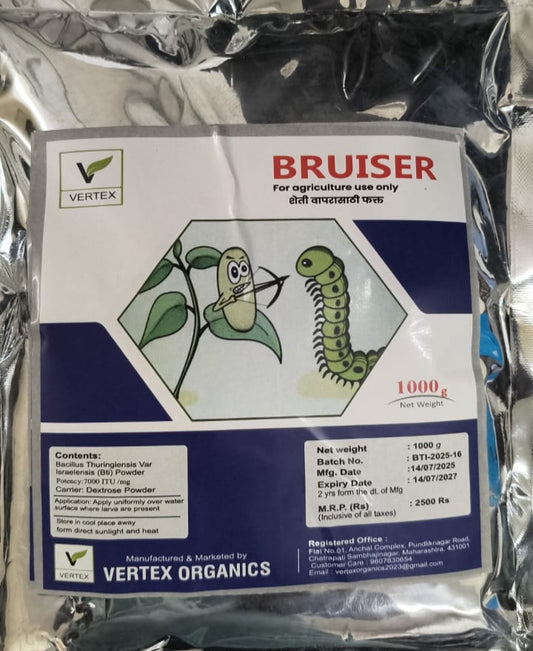
Bacillus thuringiensis israelensis (Bti): This is the gold standard for biological larvicide. It specifically targets the larvae of dipteran pests like fungus gnats and sciarid flies.
-
Steinernema feltiae (Beneficial Nematodes): These microscopic worms enter the fly larvae and release bacteria that kill the pest within 48 hours.
-
Beauveria bassiana: An entomopathogenic fungus that infects adult flies and larvae upon contact.
2. Bubble Problems (Dry Bubble & Wet Bubble)
"Dry Bubble" is caused by the fungal pathogen Lecanicillium fungicola (formerly Verticillium).
-
Lecanicillium lecanii (Bio-fungicide): While L. fungicola is a pathogen to
-
Bacillus subtilis & Pseudomonas fluroscens: This bacterium colonizes the casing surface and root zone, producing natural lipopeptides that inhibit the growth of Verticillium (Dry Bubble) and Mycogone (Wet Bubble).
-
Sanitation (Essential IPM Step): Bubble diseases are often spread by flies or contaminated tools. Controlling the fly population (using the larvicides above) is the first line of defense against bubble spread.
IPM Strategy Summary
-
Sanitation: Steam-clean rooms between cycles, use fly screens, and maintain strict hygiene for workers,
-
Larvae Phase: Use Bti or Beneficial Nematodes in the casing soil,
-
Adult Phase: Use Beauveria bassiana sprays or yellow sticky traps to reduce the fly population,
-
Bubble Prevention: Apply Bacillus subtilis to the casing soil and use Neem-based botanicals as a preventive drench.